
Construction Vibration Monitoring: Understanding the Measurements

25 Sep 2026
How PPV, Frequency, Sensor Location and Trigger Levels Inform Construction Monitoring
Construction vibration is only useful as data when it can be tied to a source, a location, and an established criterion. Pile driving, demolition, drilling, excavation and compaction can transmit vibration through the ground and into nearby structures.
The magnitude recorded at a given point depends on factors such as distance from the source, soil and subsurface conditions, construction method and the characteristics of the structure being monitored.
Construction vibration monitoring captures that movement during active work so readings can be evaluated against project criteria and correlated with the activity occurring at the time.
Start With Peak Particle Velocity
Peak particle velocity, or PPV, is commonly used to evaluate construction vibration. PPV represents the maximum velocity of ground or structural movement as a vibration wave passes a monitoring point and is typically reported in inches per second or millimeters per second.
Seismographs use sensors to record vibration from nearby construction. Triaxial sensors measure motion in three perpendicular directions at the monitoring location, but PPV is only part of the record. Frequency, sensor location, structural characteristics, and the activity underway also affect how a reading is evaluated.
Frequency Adds Context
Frequency describes how often vibration cycles occur and is expressed in hertz. Different construction activities can produce different frequency characteristics, and structures may respond differently to those frequencies.
For that reason, PPV is considered with the associated frequency and the criteria established for the project. There is no single vibration limit that applies to every structure or construction activity.
Criteria Vary by Structure and Project
Vibration limits may come from project specifications, regulatory requirements, engineering analysis or other recognized criteria. Older masonry buildings, historic structures, buildings with existing distress, buried utilities and facilities with vibration-sensitive equipment may require different thresholds or monitoring procedures.
The monitoring plan should establish those criteria and the response when a reading reaches a designated level.
Sensor Location Affects the Reading
A vibration measurement represents conditions where the sensor is installed. Locations are selected based on the construction activity, distance from the work and the structure, utility or equipment being evaluated. Sensors also must be securely coupled to the ground or structure.
As work moves across the site, the distance between the source and monitoring point can change. A reading at one location should not be assumed to represent conditions everywhere around a building.
Trigger Levels Define the Response
Monitoring plans may include review and action levels. A review level can prompt a closer look at the reading, nearby activity and site conditions.
A higher action level may call for a response such as:
- Notification of designated personnel
- Inspection of the monitored structure
- Review of the construction activity
- Changes to equipment or construction methods
- Temporary suspension of the associated work
The response depends on the monitoring plan and site conditions. Intertek monitoring systems can continuously record vibration and provide alerts when established thresholds are reached or exceeded.
Connect the Reading to the Work
A timestamped reading becomes more useful when matched with construction activity. An event may correspond with pile driving, demolition, compaction, drilling or heavy equipment movement, and construction logs can help identify what was happening when the reading occurred.
Over time, patterns may show higher readings as equipment moves closer to a structure, repeated events during one operation or lower readings after a method changes.
Different Activities Produce Different Patterns
Pile driving can create repeated vibration as energy transfers into the pile and surrounding soil. Demolition may produce shorter, less regular events. Compaction equipment can generate repeated vibration in one area, while drilling, excavation, and rock removal can produce other patterns based on equipment and subsurface conditions.
The type of work underway is part of the evaluation.
Feeling Vibration Does Not Establish Damage
People can perceive vibration at levels below those used to evaluate the potential for building damage. Occupants may feel movement or hear windows and fixtures rattle. Those observations can raise questions, but perception alone does not show that structural damage occurred.
Monitoring records can be reviewed with construction logs, project criteria, and documentation of the building’s condition.
Preconstruction Documentation Establishes a Baseline
A preconstruction condition survey records visible conditions before nearby work begins, including cracks, settlement, previous repairs, and other signs of distress. If a concern is reported later, current conditions can be compared with that record and the vibration data.
Programs may also include crack monitoring, optical movement monitoring, noise monitoring and post-construction inspections.
Plan Monitoring Before Work Begins
A monitoring program should identify the activities likely to generate vibration, the structures or equipment to be evaluated, sensor locations, recording procedures, applicable thresholds and required responses.
Once construction begins, readings can be compared with those criteria and matched with activity on the site, creating a documented record as work progresses.
Intertek provides construction monitoring services for urban and infrastructure projects, including vibration monitoring, preconstruction condition surveys, crack monitoring, optical monitoring, noise monitoring and post-construction inspections.

You may be interested in...
Construction Monitoring: Vibration, Noise, and Air Monitoring | Fact Sheet
Intertek's Construction Monitoring services help developers, contractors, and property owners mitigate these risks through advanced vibration, noise, and air monitoring solutions that ensure compliance, minimize liability, and protect surrounding environments.
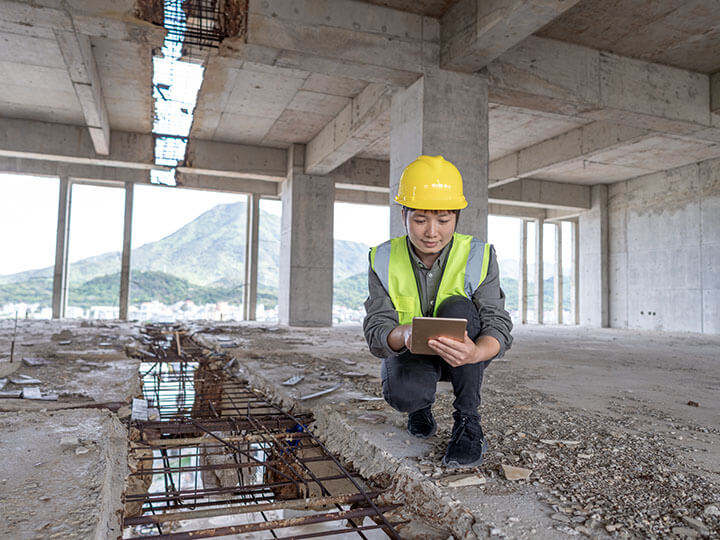
Construction Monitoring Services: Vibration, Crack, and Noise Monitoring
Intertek offers Construction Monitoring services including Vibration, Crack, and Noise Monitoring to help you develop a plan to ensure the protection of structures adjacent to your construction project.