
Identifying Asbestos Before Renovation
12 Jun 2026
How Surveys and Abatement Planning Help Reduce Risk Before Work Starts
Asbestos is a mined mineral fiber that was historically used in many building materials. It resists degradation under heat and cold and works well as an insulating material. It does not conduct electricity and is extremely chemically resistant. Asbestosis, lung cancer, and mesothelioma (a rare form of cancer) have been associated with exposure to airborne asbestos fibers.
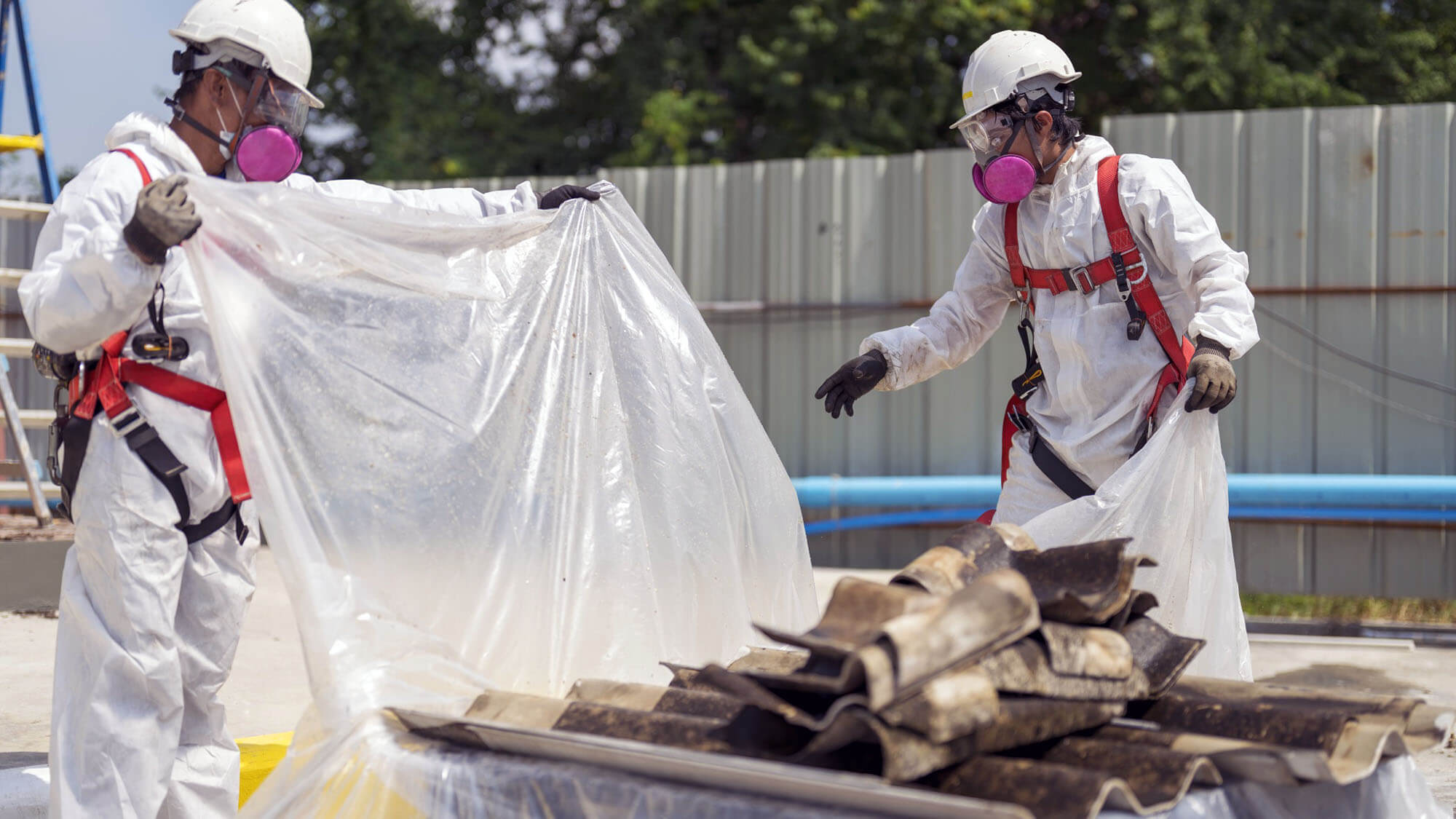
Many existing buildings still contain products that were installed decades ago when asbestos-containing materials were favored. Asbestos may be present in products that include thermal system insulation, spray-applied fireproofing, pipe insulation, vinyl flooring, roofing products, ceiling materials, textured coatings, joint compounds, adhesives, mastics, fire doors, and high-temperature gaskets. Many of these materials can remain in place if intact and properly managed. Others can become compliance and exposure concerns when damaged, deteriorated, or disturbed.
The U.S. Environmental Protection Agency (EPA) recently finalized a rule prohibiting ongoing uses of chrysotile asbestos, the only known form currently used in or imported to the United States. However, the rule does not address legacy asbestos-containing materials within existing buildings. Age, appearance, or product type alone cannot confirm whether a material is asbestos-free.
Risk Is Tied to Condition and Disturbance
Exposure risk increases when asbestos fibers become airborne and can be inhaled. Friable materials have a higher propensity to be released into the air. Friability refers to materials that can be crumbled, pulverized, or reduced to powder by hand when dry. Non-friable materials are more tightly bound together, but they can still become friable if they are sanded, ground, cut, abraded, demolished or otherwise damaged during the work.
Friability also affects regulatory classification and project planning. Under asbestos regulations, certain materials may be treated differently depending on whether they are friable, non-friable, or likely to become friable during planned work. That distinction can affect removal methods, notifications, containment, waste handling, air monitoring, and clearance requirements.
For technical teams, the concern is not only whether asbestos is present. The concern is also whether the material’s condition, location and planned disturbance change project requirements. Removing flooring, opening walls, replacing pipe insulation, modifying ceilings, or disturbing roofing materials can trigger survey, notification, abatement, monitoring, or clearance considerations.
When a Survey May Be Needed
Before renovation, demolition, maintenance, or repair work begins, owners and project teams are required by federal regulation to have reliable information about the presence of suspect asbestos-containing materials, where they are located, and how planned work may disturb them. This information is provided through the completion of an asbestos survey by properly licensed and accredited professionals. The process typically includes a review of homogeneous materials, sample collection, and laboratory analysis.
There is no building construction end date for the survey requirement, which affects all historical and future institutional, commercial, public, industrial, or residential structures, installations, and buildings. The only narrow exemption is for residential buildings having four or fewer dwelling units. Even with the exemption, contractors are required to protect their workers by identifying and controlling exposure to asbestos-containing materials.
Surveys may also support due diligence, capital planning, maintenance programs, and compliance documentation. When materials cannot be accessed or sampled, they may need to be assumed asbestos-containing until additional review can be completed.
The survey findings help define project limits, contractor responsibilities, material quantities, access constraints, and documentation needs before work proceeds.
Managing or Abating Materials
Not every asbestos-containing material requires removal. If materials are intact, documented, and unlikely to be disturbed, they may be managed in place through an operations and maintenance plan that addresses training, work practices, surveillance, labeling, access controls, and future maintenance procedures.
When removal or disturbance is necessary, abatement planning becomes part of the project. Larger abatement scopes often require a defined project design so that contractors can bid and execute the work under the same assumptions. Planning may address quantities, removal methods, containment, worker protection, air monitoring, final clearance, and closeout documentation.
Documentation Supports the Project Record
Documentation helps owners, consultants, contractors, and facility teams work from the same information. A complete record may include survey findings, sample results, drawings or location notes, quantity estimates, abatement design documents, contractor submittals, air monitoring data, clearance results, and final reports.
This information supports current project decisions and future building work. When materials are identified, tracked and documented, future project teams are less likely to disturb suspect materials without proper review.
How Intertek Supports Asbestos and Industrial Hygiene Projects
Intertek supports asbestos, lead paint, and industrial hygiene projects through services that may include surveys, sampling, assessment, abatement planning, air monitoring, clearance support, and project documentation. For renovation, demolition, maintenance, and property management projects, we help clients understand where suspect materials may be present, how those materials may affect the scope, and what documentation may be needed before work moves forward.

You may be interested in...
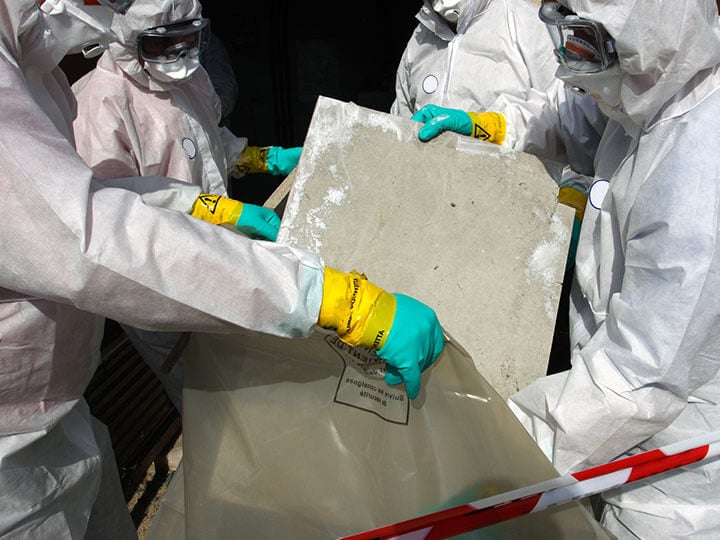
Asbestos Testing & Consulting Services
Asbestos air monitoring is a procedure that captures airborne particles by drawing air through a specialized filter. Intertek is a leader in environmental safety.